
IIDA Italy International Design Award

Desert Rock

Design by: Oppenheim Architecture

Category: Architectural Design

From: USA and Switzerland

Year of Recognition: 

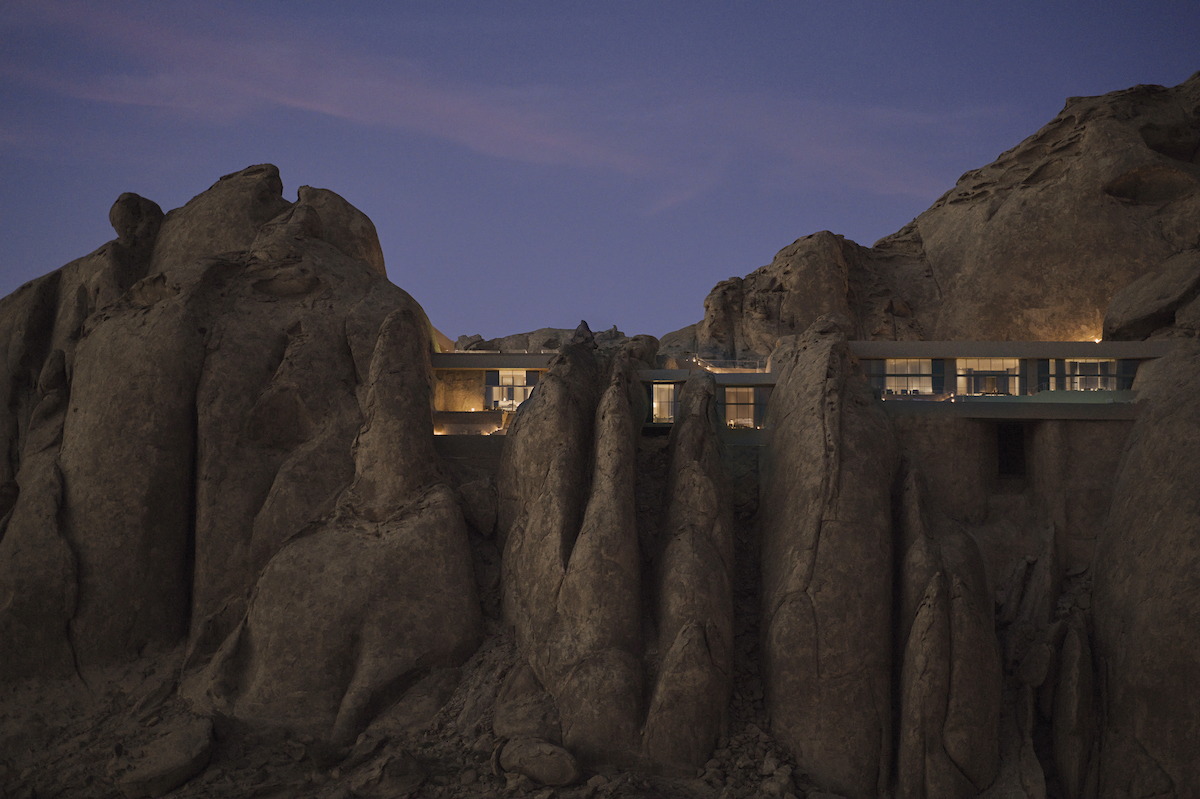
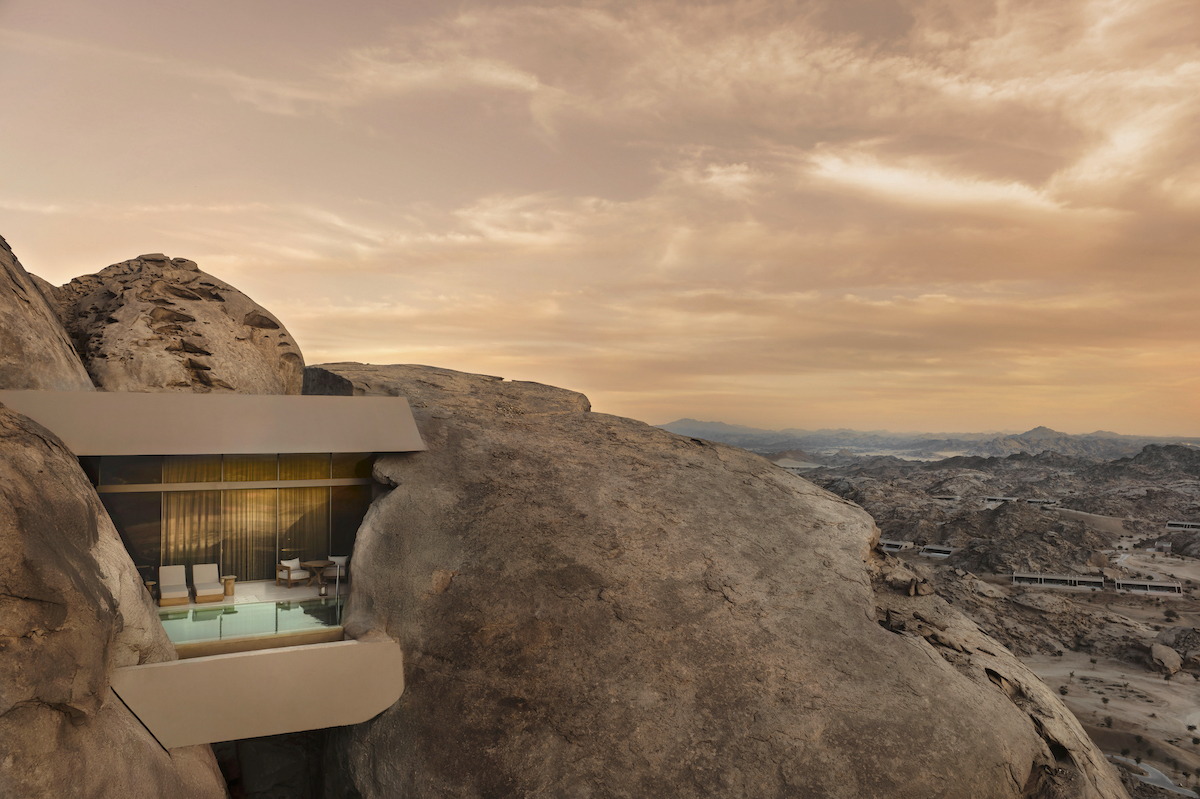
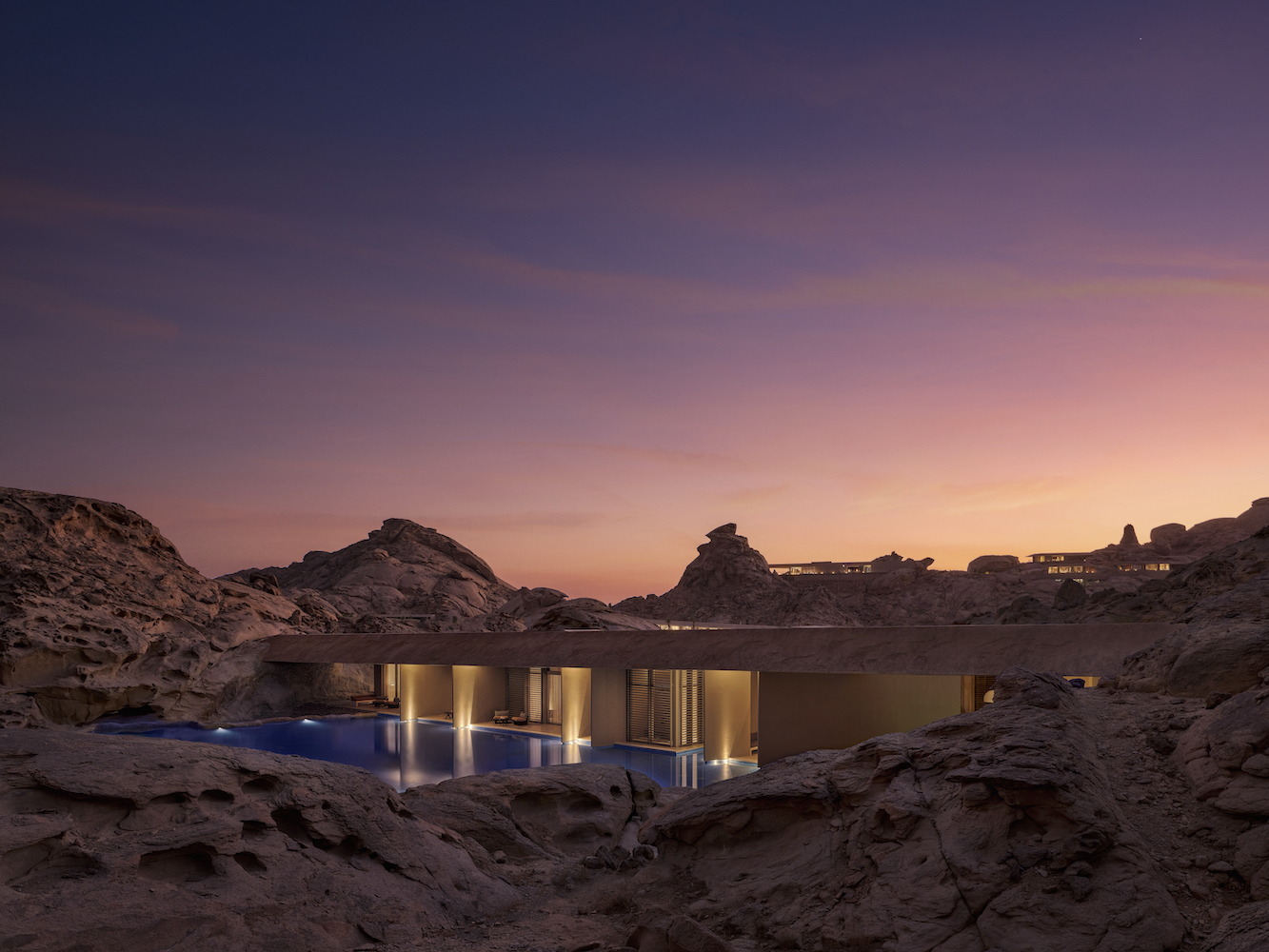
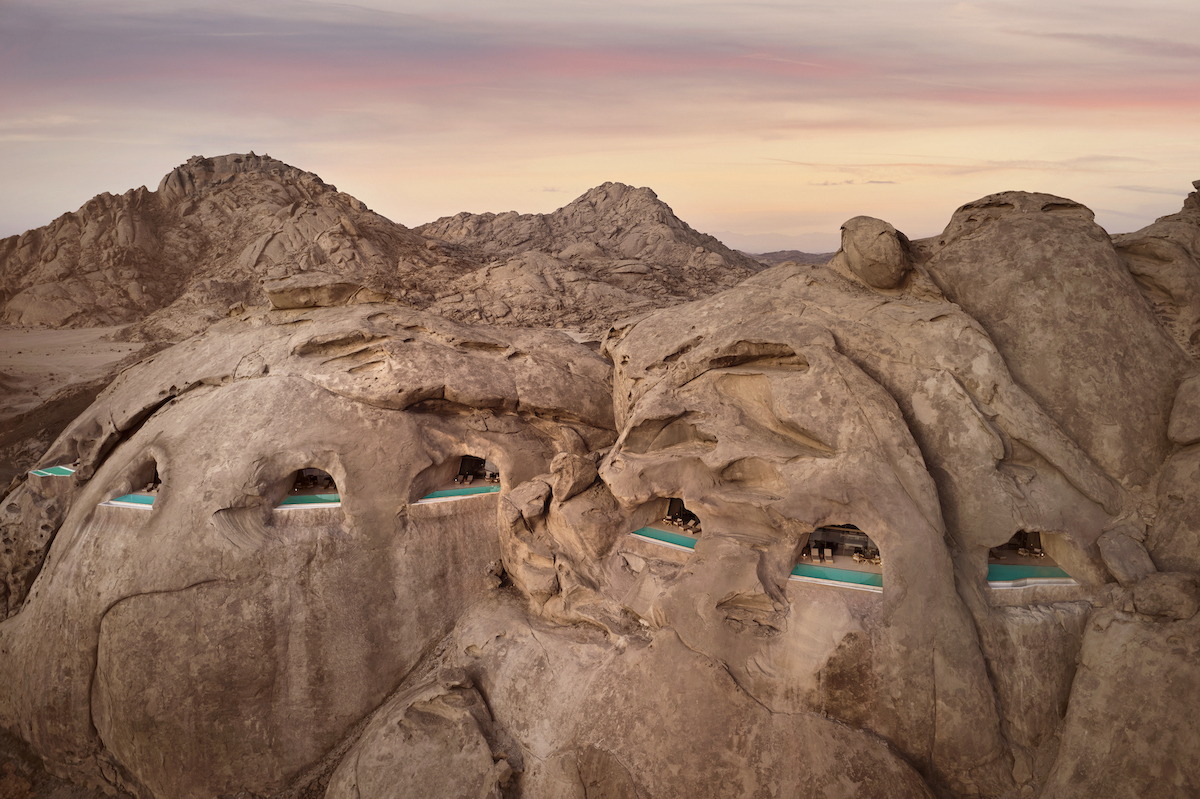
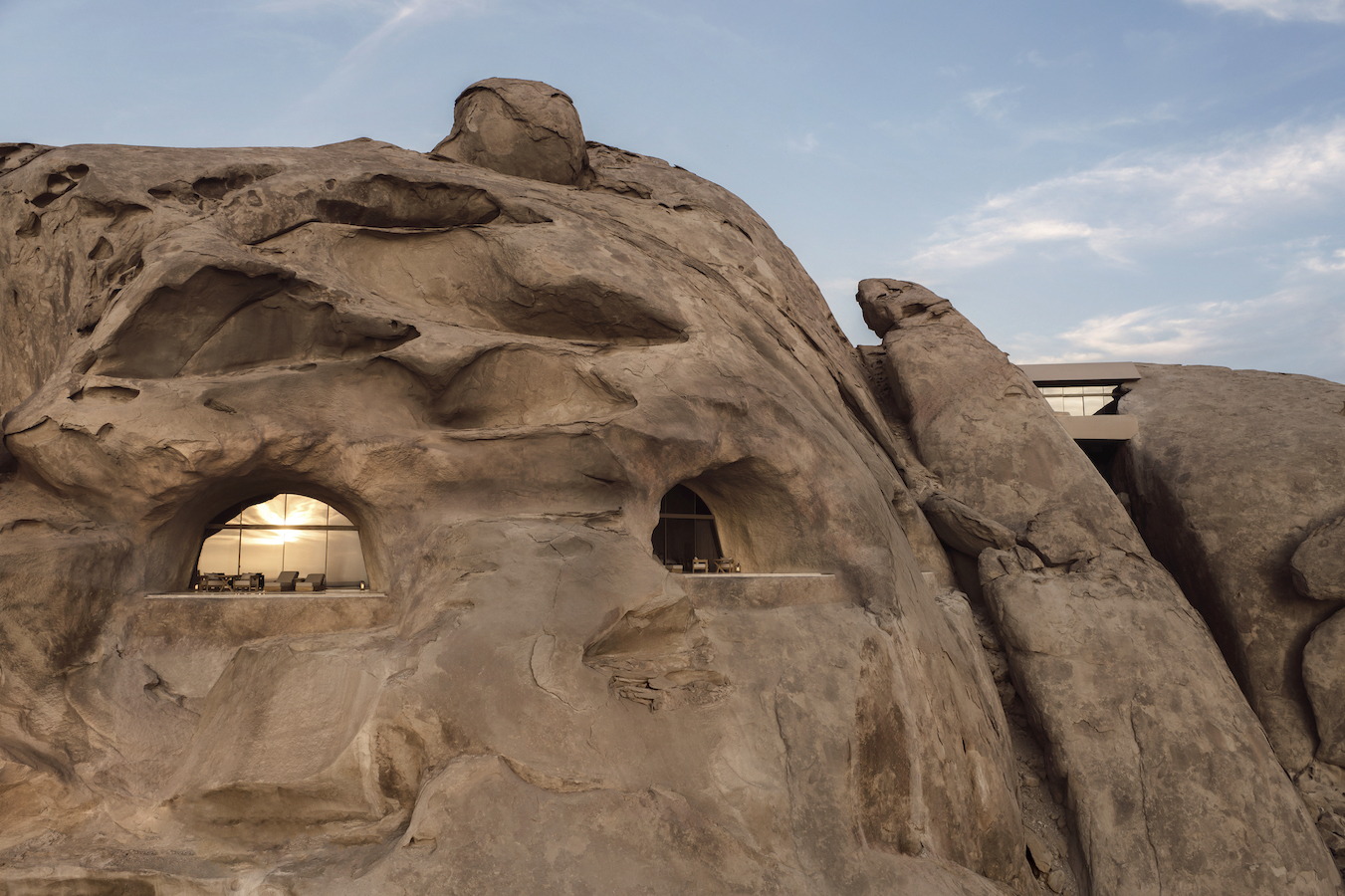
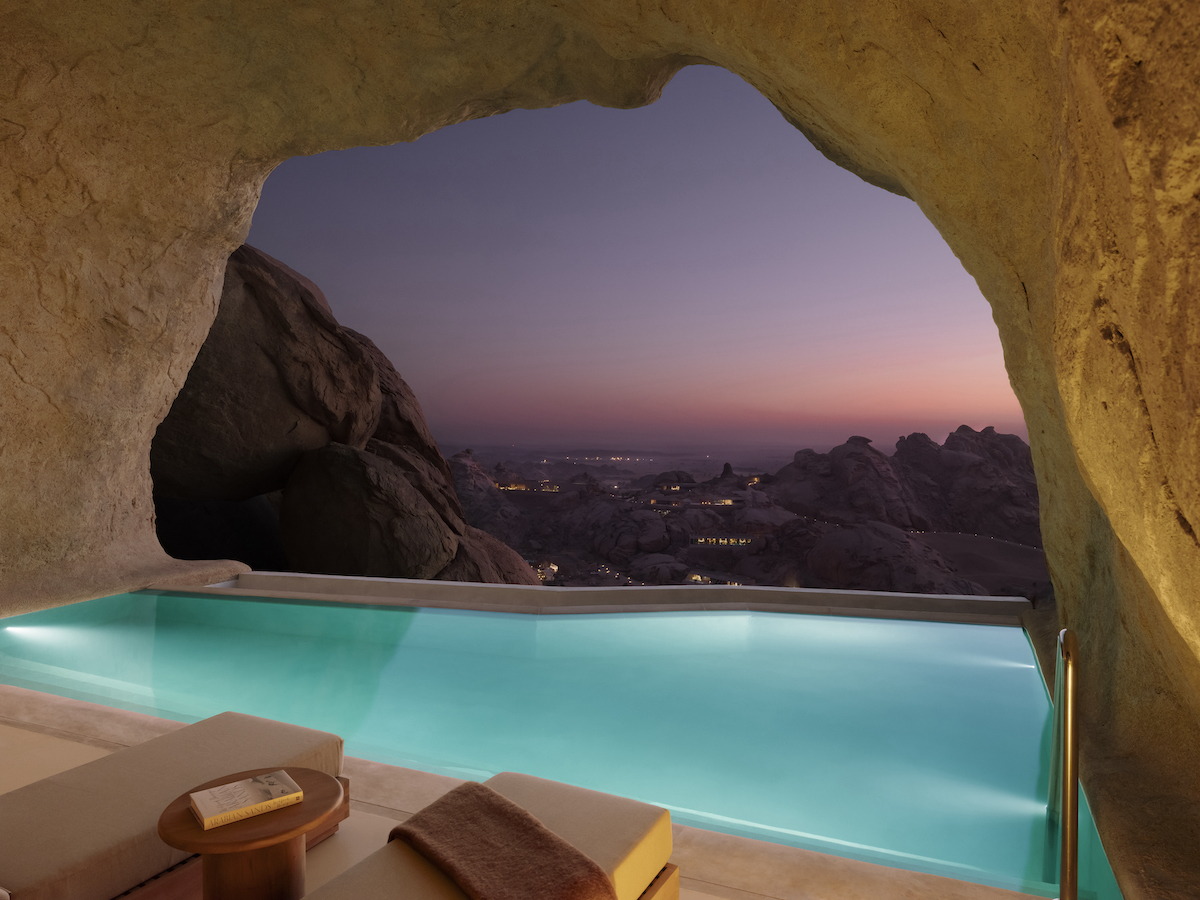
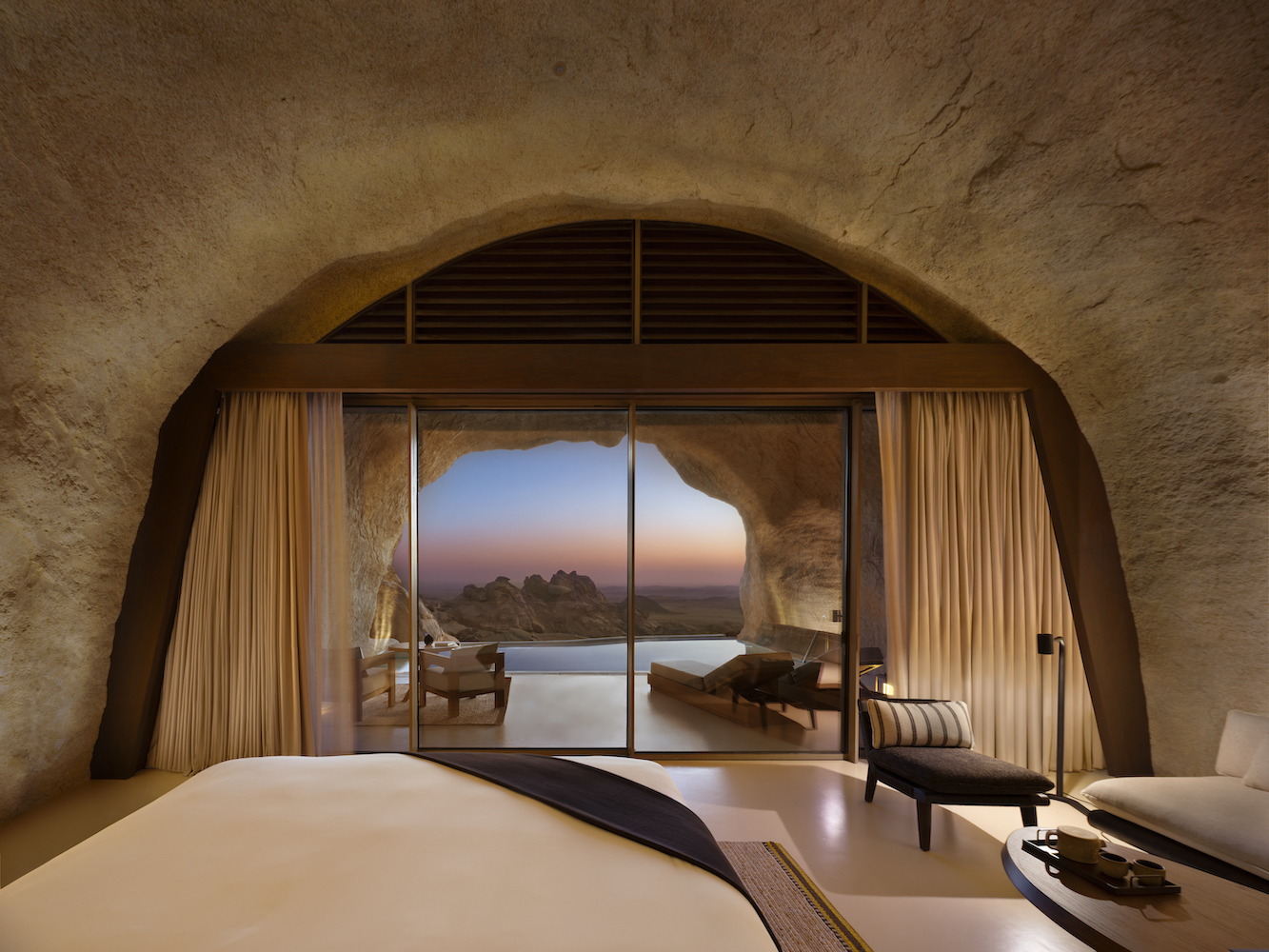
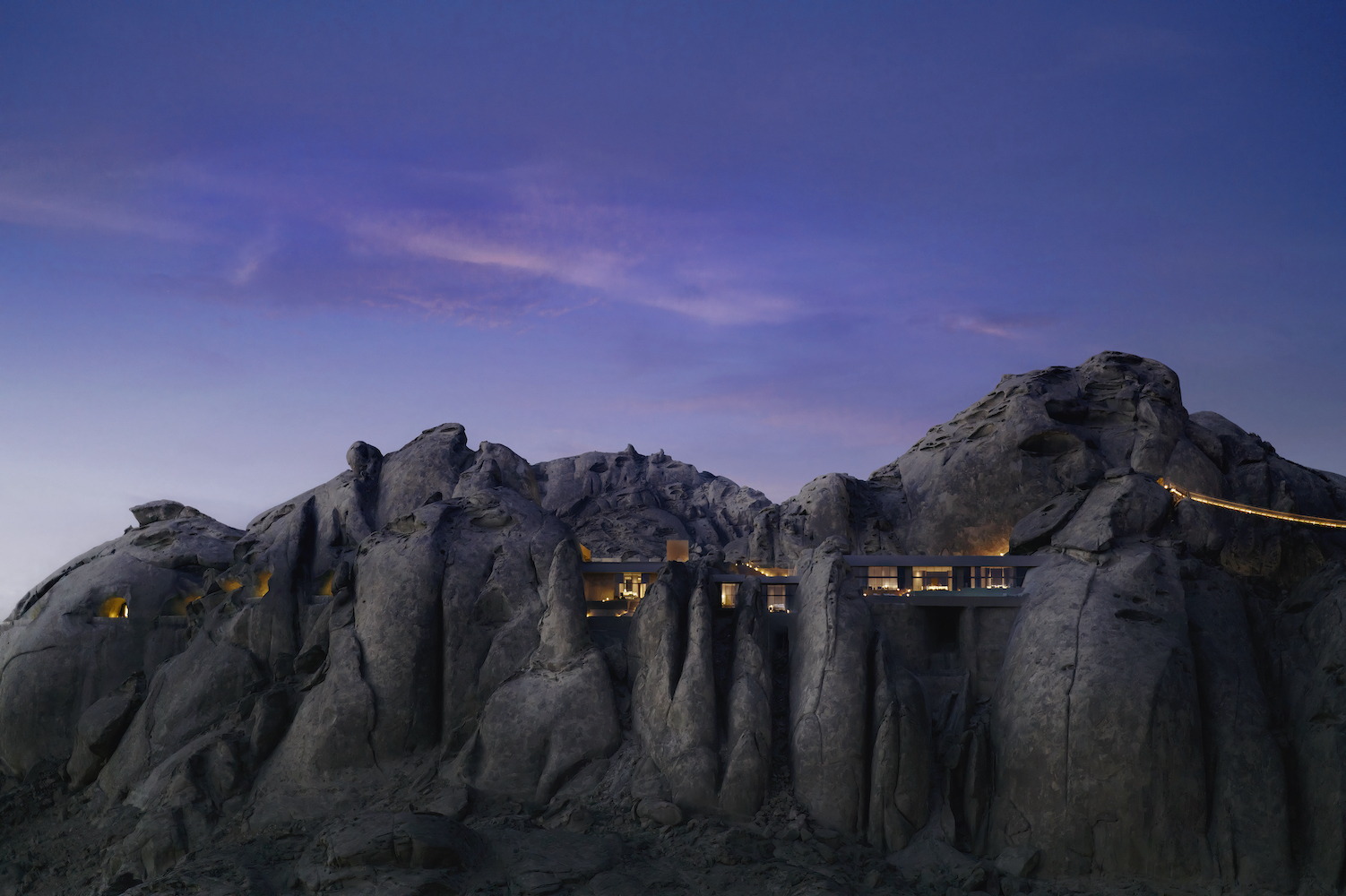
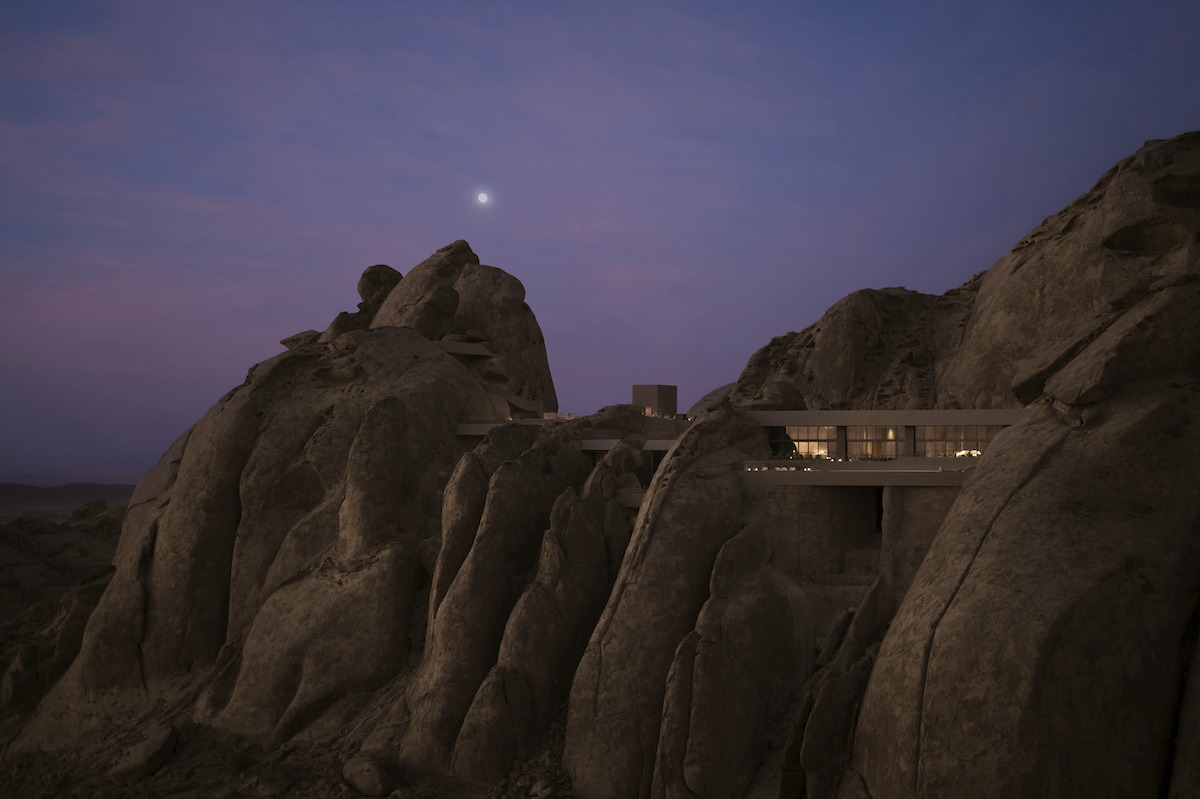
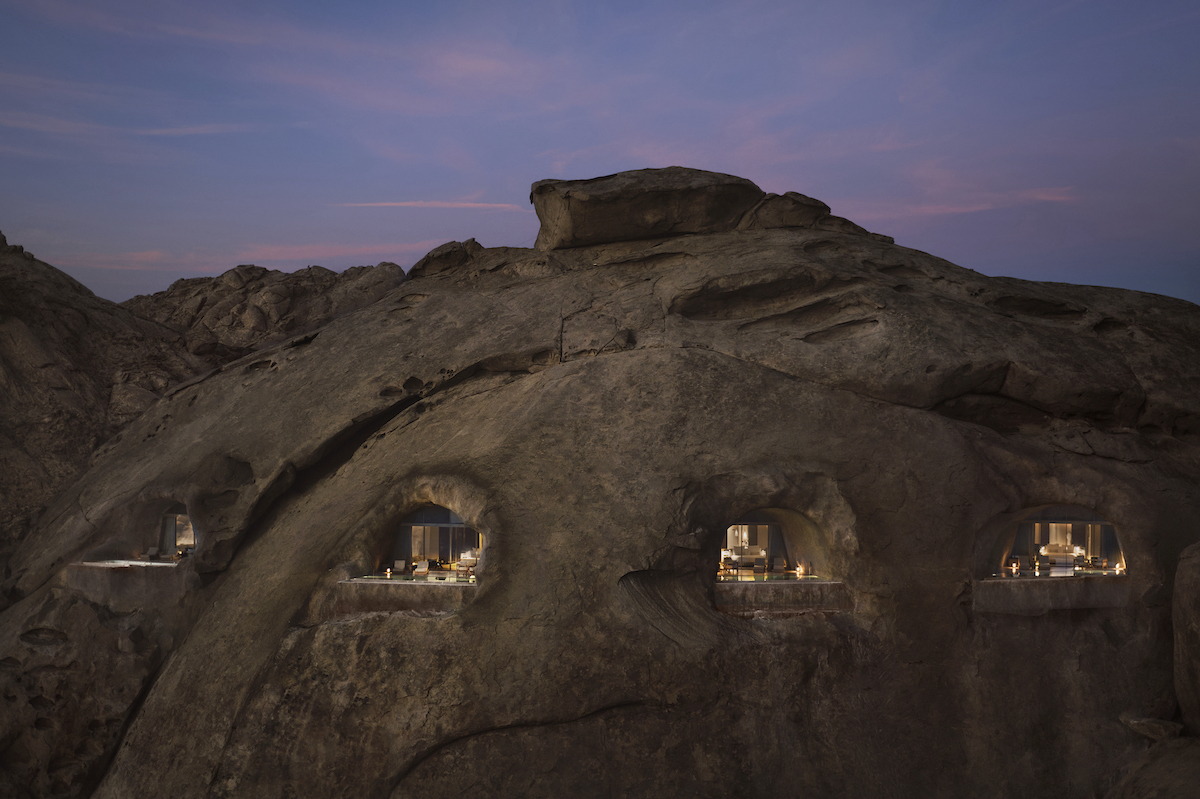
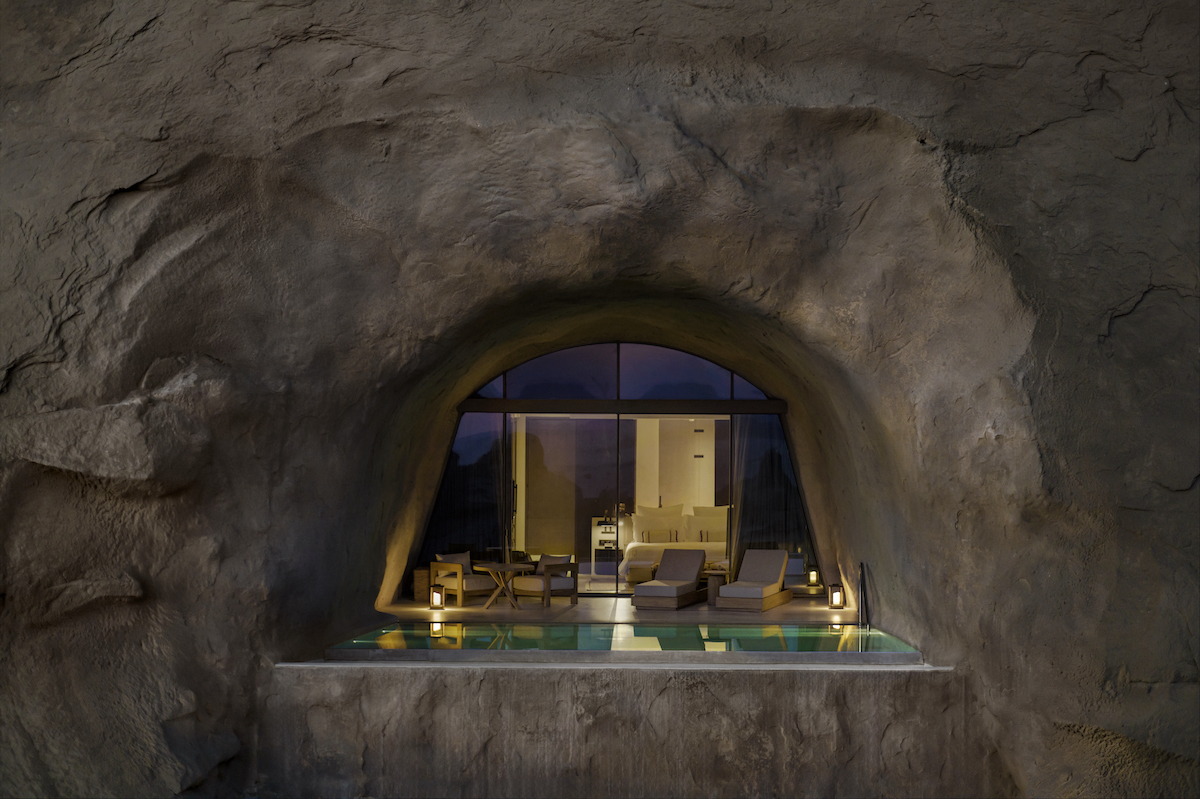
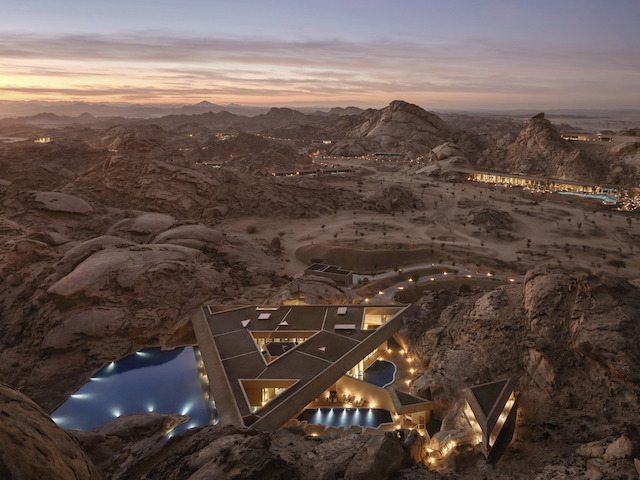
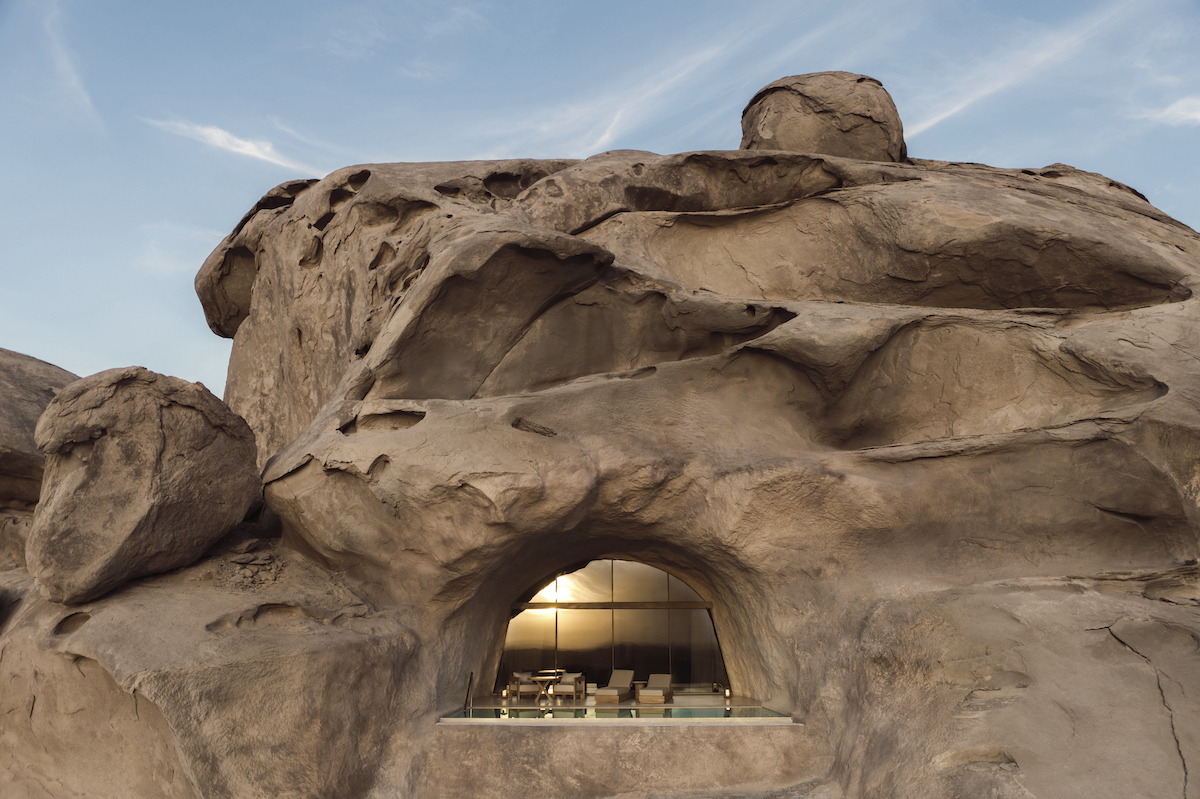
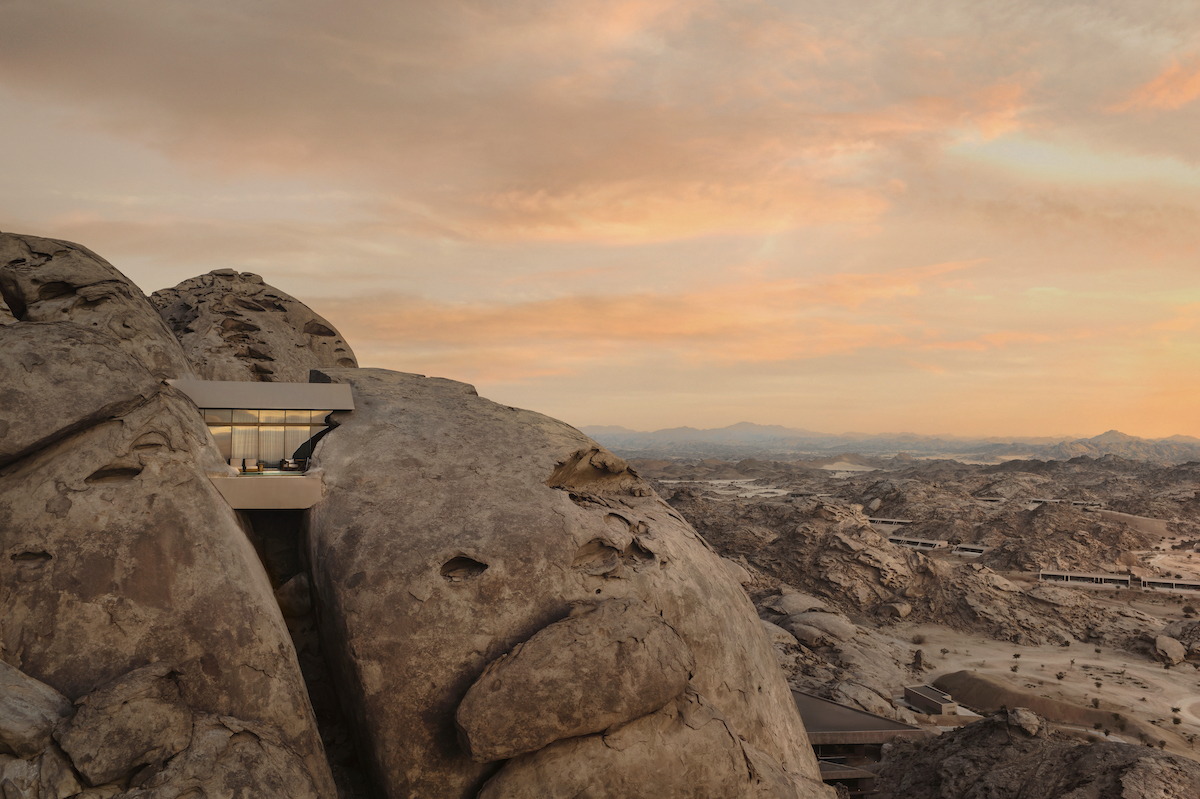
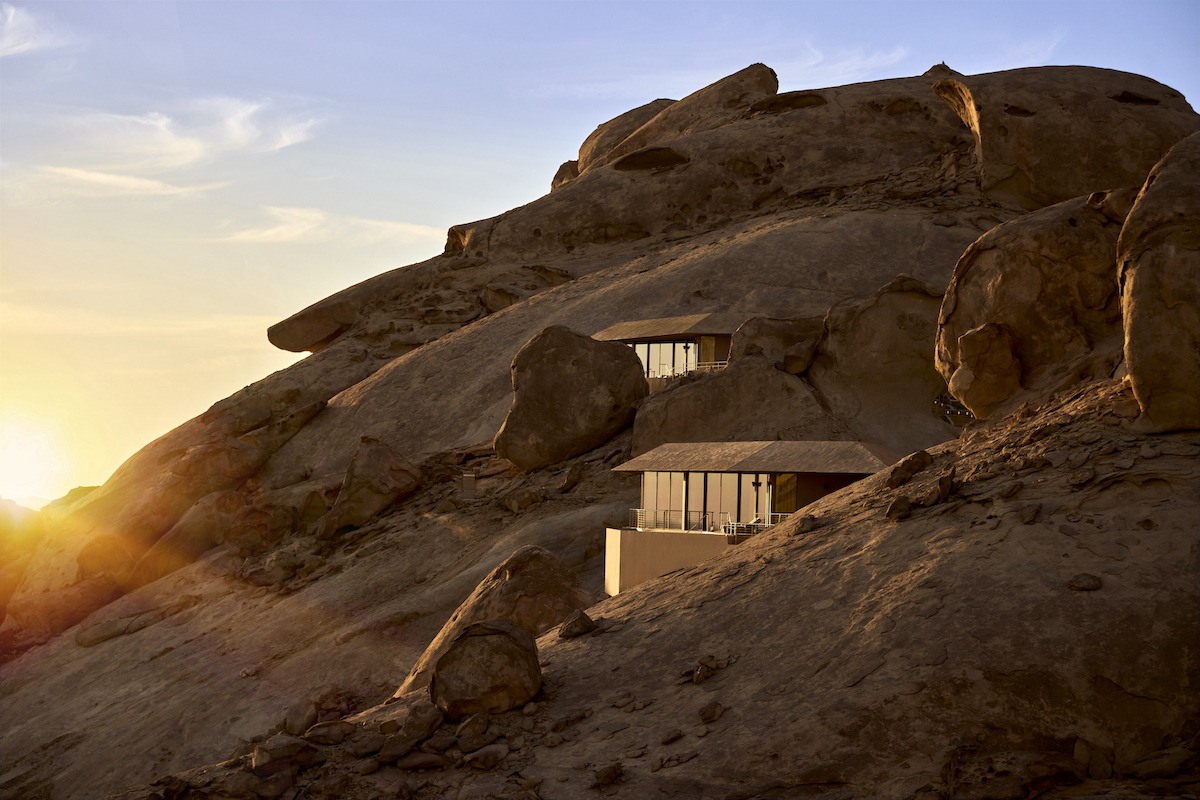
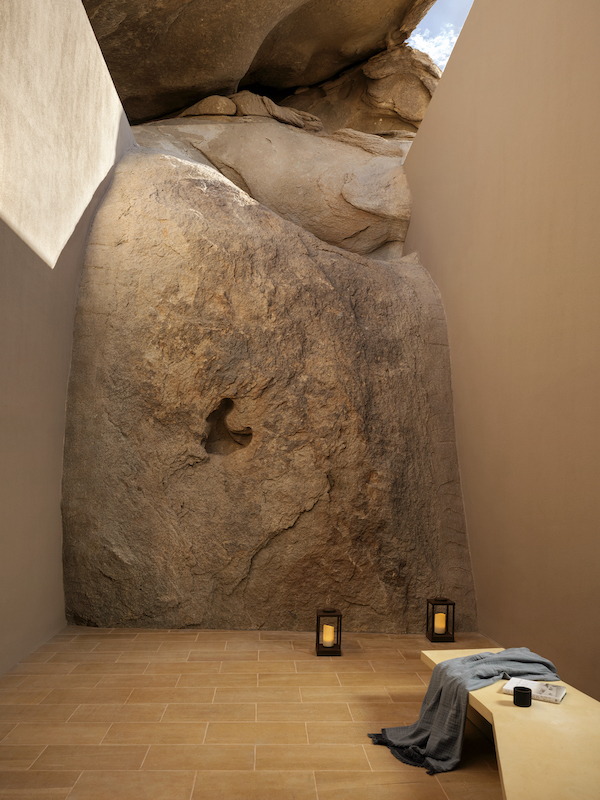
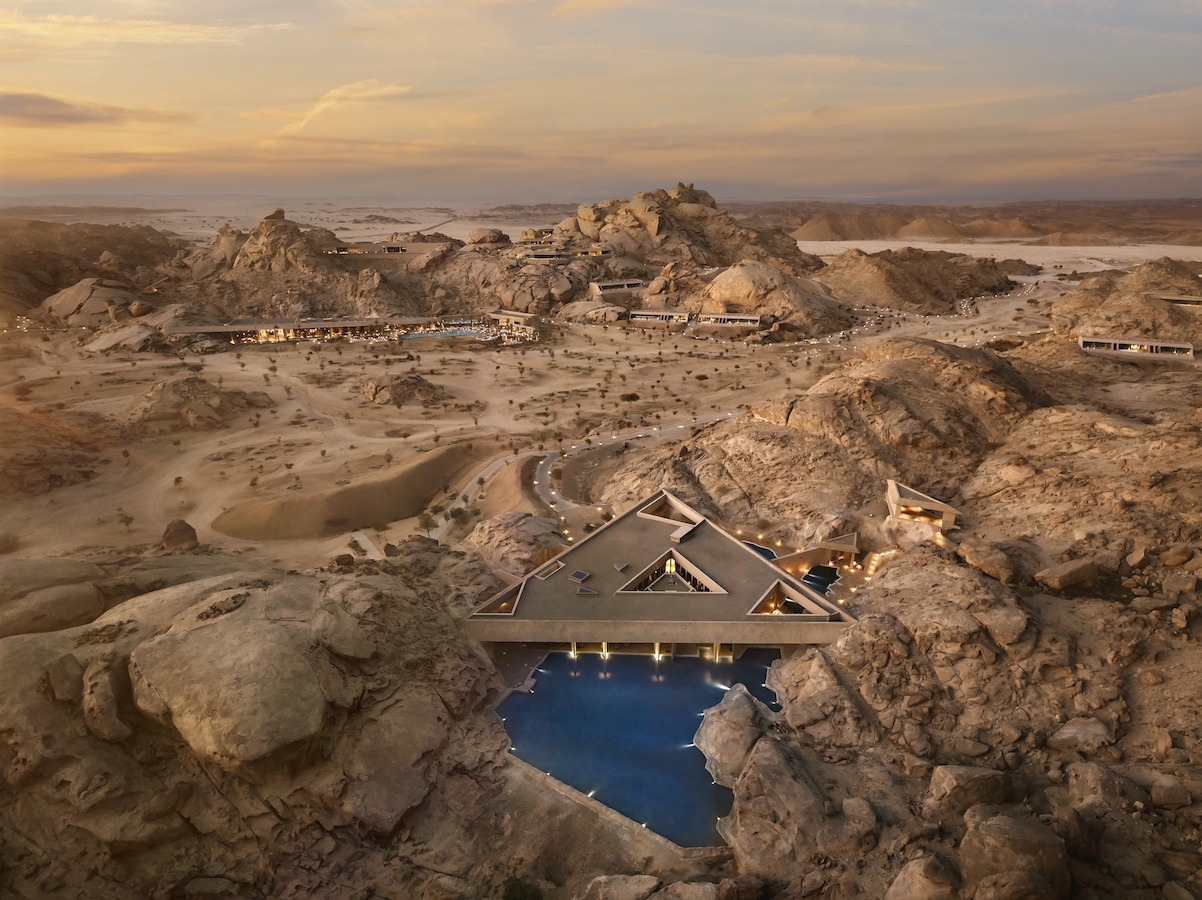
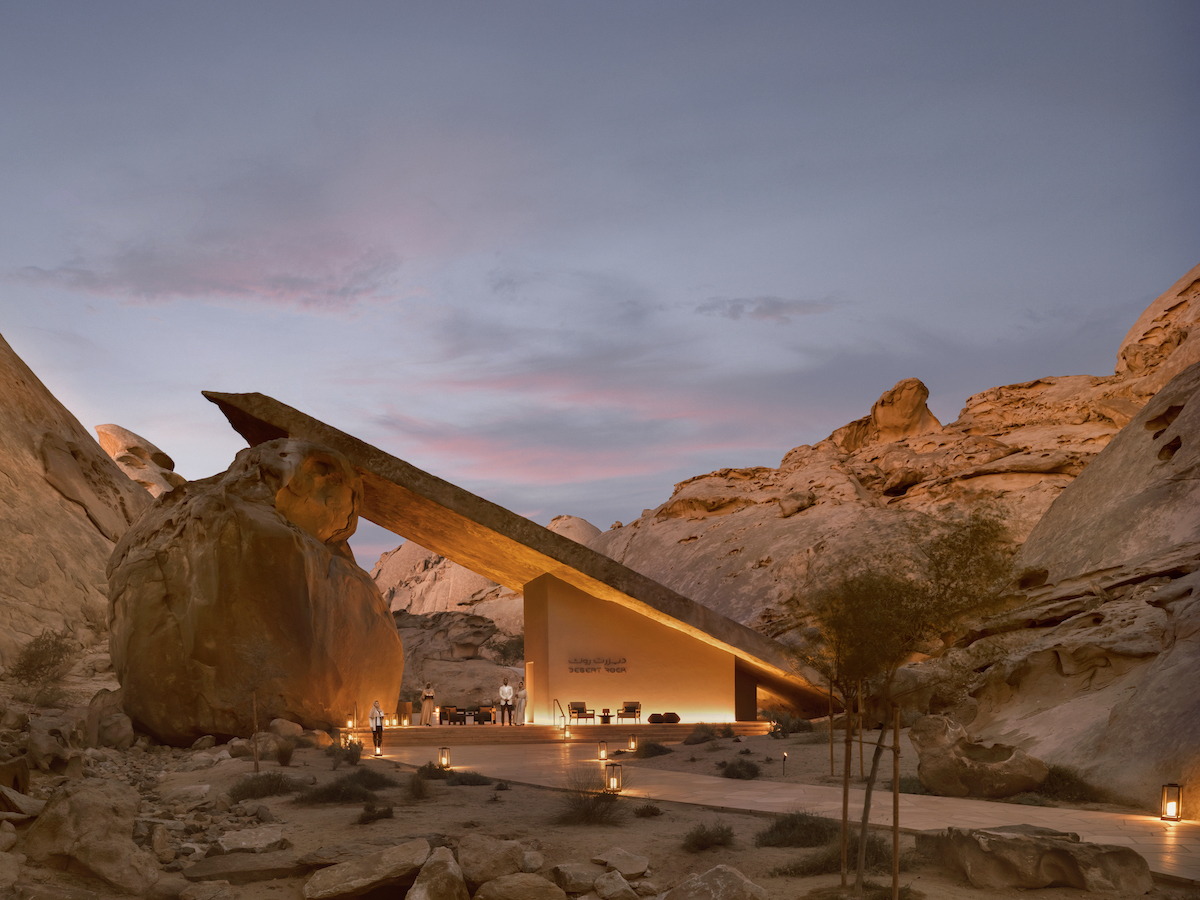
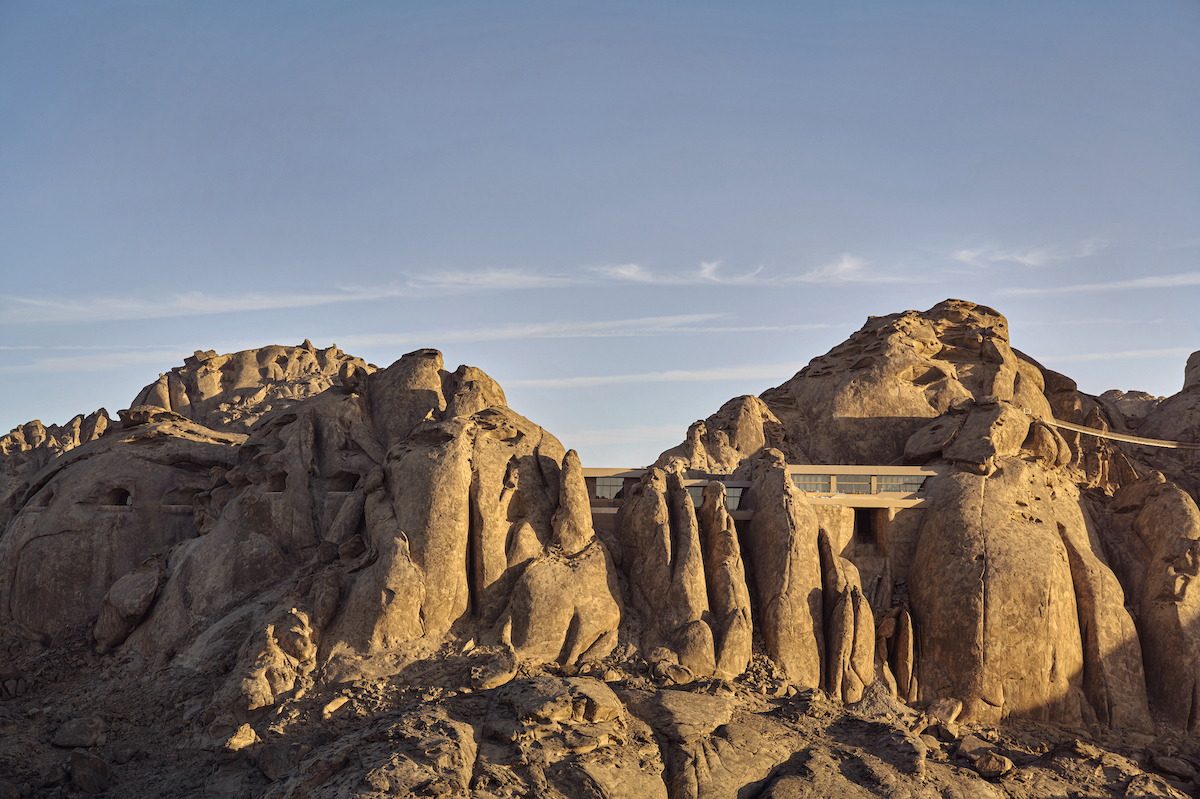
Desert Rock | Hejaz Mountains, Saudi Arabia Desert Rock is a landmark achievement in luxury hospitality and site-specific design; a resort carved into and conceived from the ancient Hejaz Mountains of western Saudi Arabia. Designed by Oppenheim Architecture in close partnership with developer Red Sea Global, the project is a profound expression of the firm’s core philosophy: designing with the land, not on it. Arriving through a concealed valley, guests encounter a 30,000-square-meter complex of 54 villas and 10 suites that emerge from the mountain terrain with near-invisibility. The architecture draws direct inspiration from the Nabataean civilization, the ancient culture of the Arabian Peninsula renowned for its rock-carved structures, honoring this millennia-old legacy through contemporary form and material. Concrete surfaces are cast in tones and textures that echo the surrounding geology, while large openings mirror the mouth of natural caves, flooding interiors with light. The resort’s accommodation typologies each respond to the terrain: Wadi Villas offer private pools and open living at ground level; Cliff Hanging Villas perch dramatically above the valley floor; Mountain Cave Suites and Mountain Crevice Villas nestle into the Massif with cliffside pools suspended at the rock’s edge; and the Royal Villa, secluded within its own private reach of the valley, offers an uncompromised private retreat. Sustainability is not an added layer; it is fundamental to the project’s architecture. Excavated rock was repurposed directly into the resort’s infrastructure, eliminating waste and reinforcing material continuity with the site. Passive cooling strategies and thermally efficient systems minimize energy consumption, while native planting supports the regeneration of the wadi ecosystem. Roads are concealed behind landscape mounds to reduce light and sound pollution, preserving the integrity of the natural environment for both guests and the surrounding habitat. Desert Rock sets a new benchmark for ecologically responsible luxury, demonstrating that architecture can enhance a landscape’s power rather than diminish it, and that the highest form of immersion is one in which the built and the natural become indistinguishable.

Share to  :

About

About Oppenheim Architecture is a global design practice engaging with diverse clients, cultures, and environments across five continents. Established in 1999 by Chad Oppenheim, the practice maintains studios in Miami, Basel, and Tirana, with an inquisitive team of nearly seventy architects, interior designers, planners, and technicians. Our European operations are led by Swiss architect Beat Huesler, Chad's long-time friend and collaborator from Cornell University. The studios function as one, guided by poetically contextual design, hyper-functionality, and exceptional building craft. As architectural archaeologists, our work is deeply attuned to its site. We go beyond the bounds of conventional architectural practice — studying people and cultures, technologies and materials, psychologies and experiences — to create buildings and spaces that connect people with the spirit of place. As value creators and problem-solvers, we aim to challenge and inspire so that each site and project fulfills and exceeds its potential. Every brief holds hidden value, and our focus is to realize its greater cultural, experiential, and economic possibilities — to make one plus one equal eleven. By understanding architecture as part of a wider ecosystem, we amplify benefits not only for our clients and users, but for the surrounding community and environment. Oppenheim Architecture has received over 90 awards, including more than 60 from the American Institute of Architects (AIA), a National Design Award from the Cooper Hewitt, Smithsonian Design Museum, and the American Prize for Architecture from The Chicago Athenaeum: Museum of Architecture and Design.

Scroll to Top