

«Urban Aura Garden»
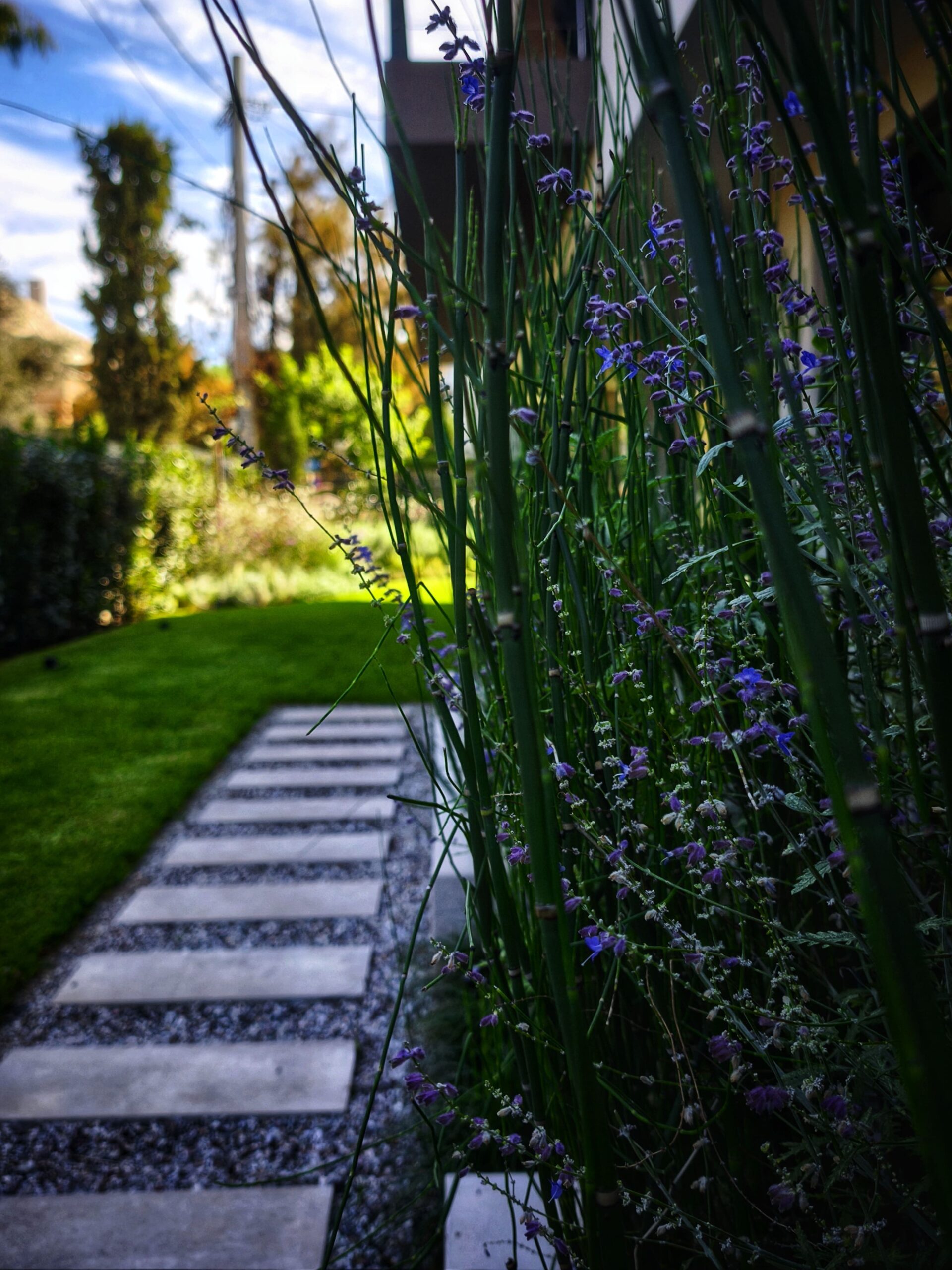
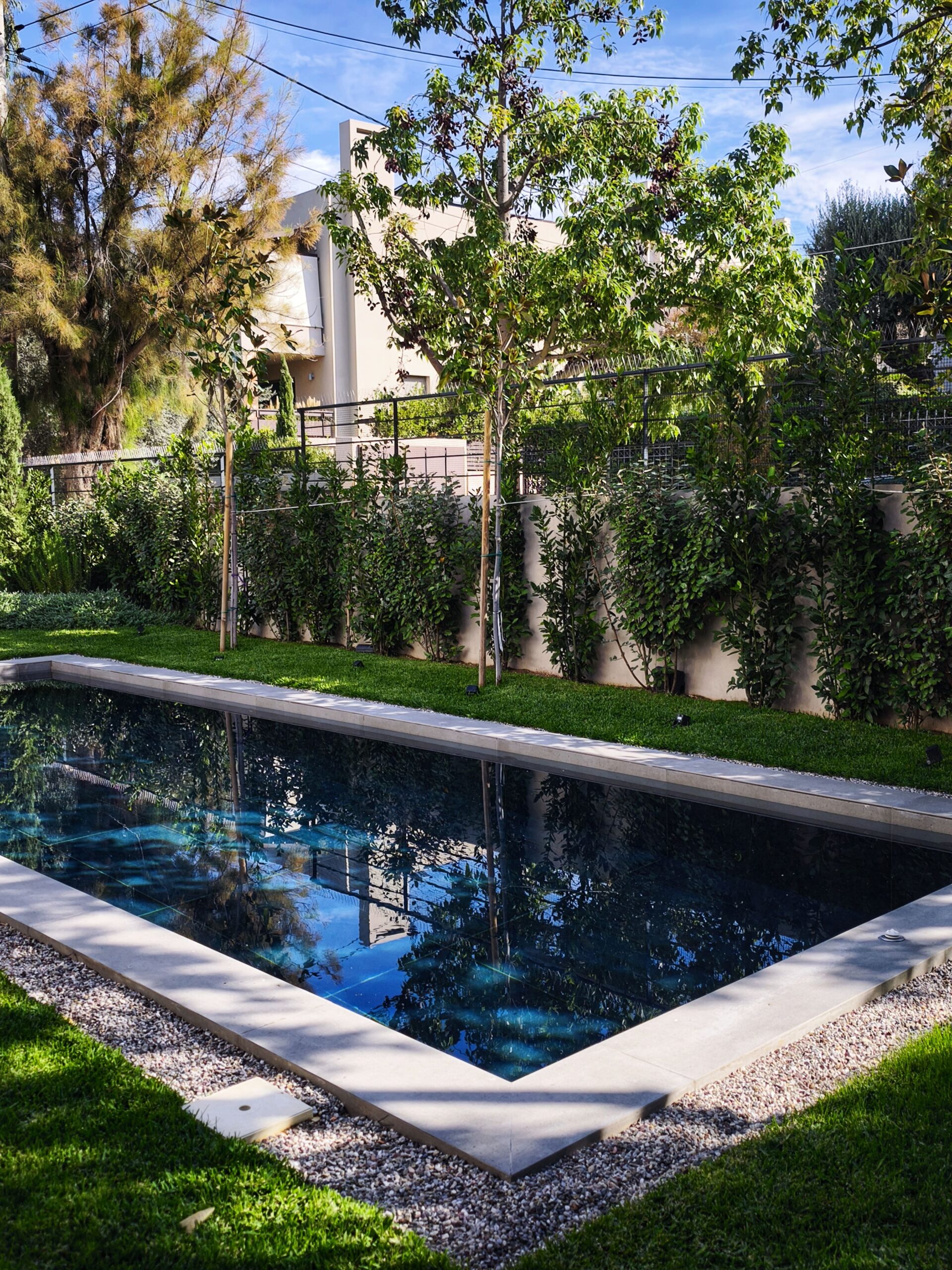
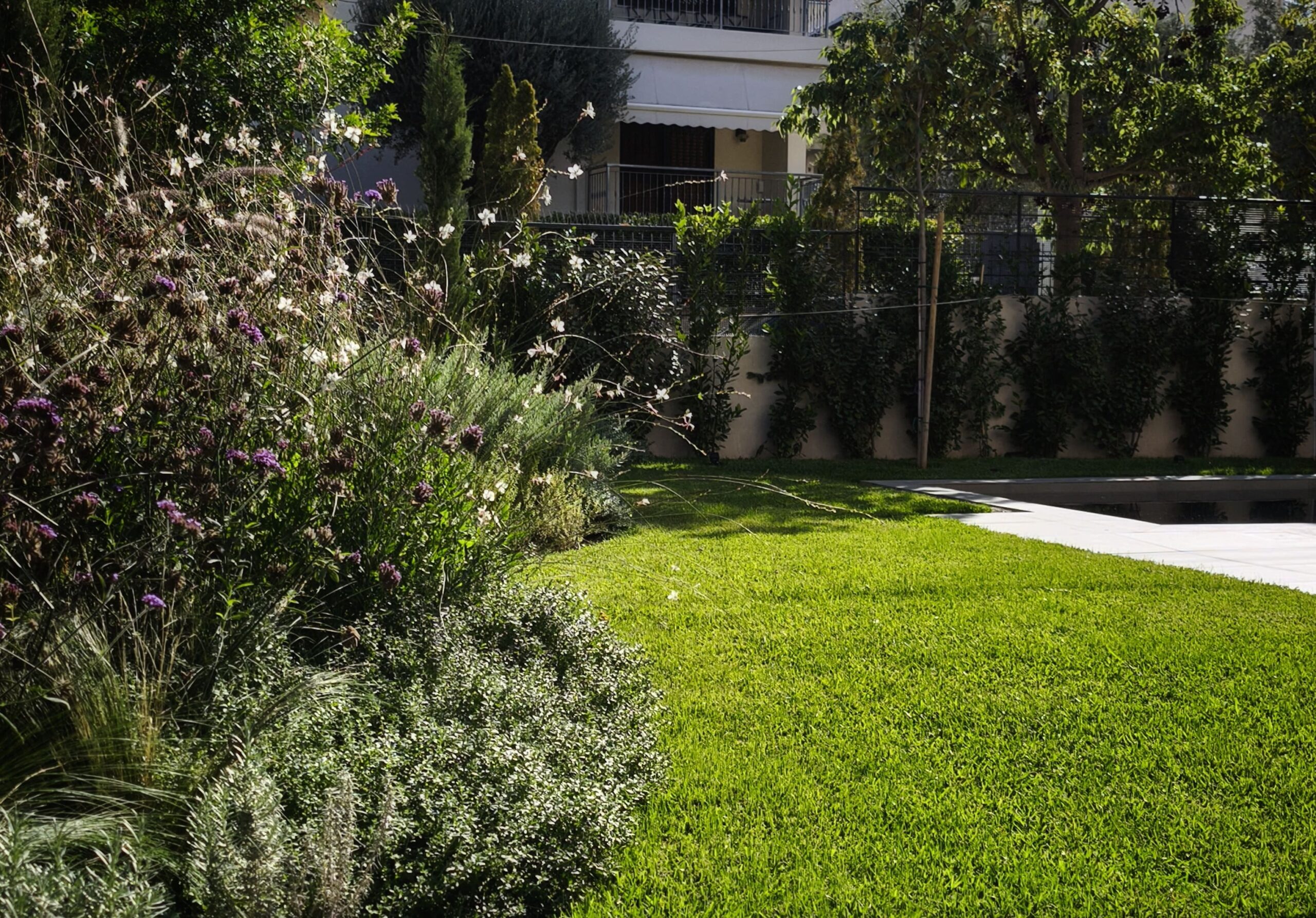
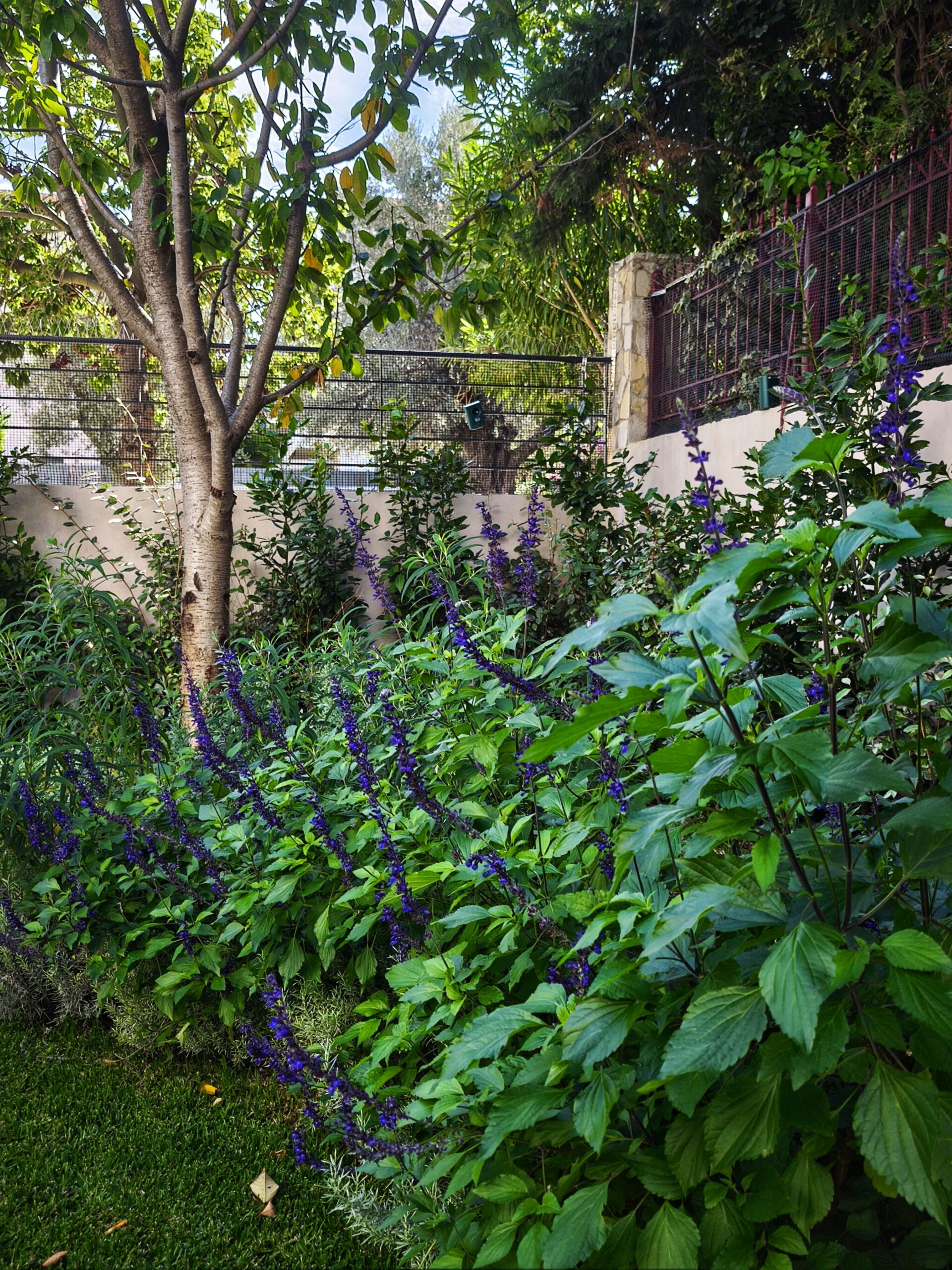
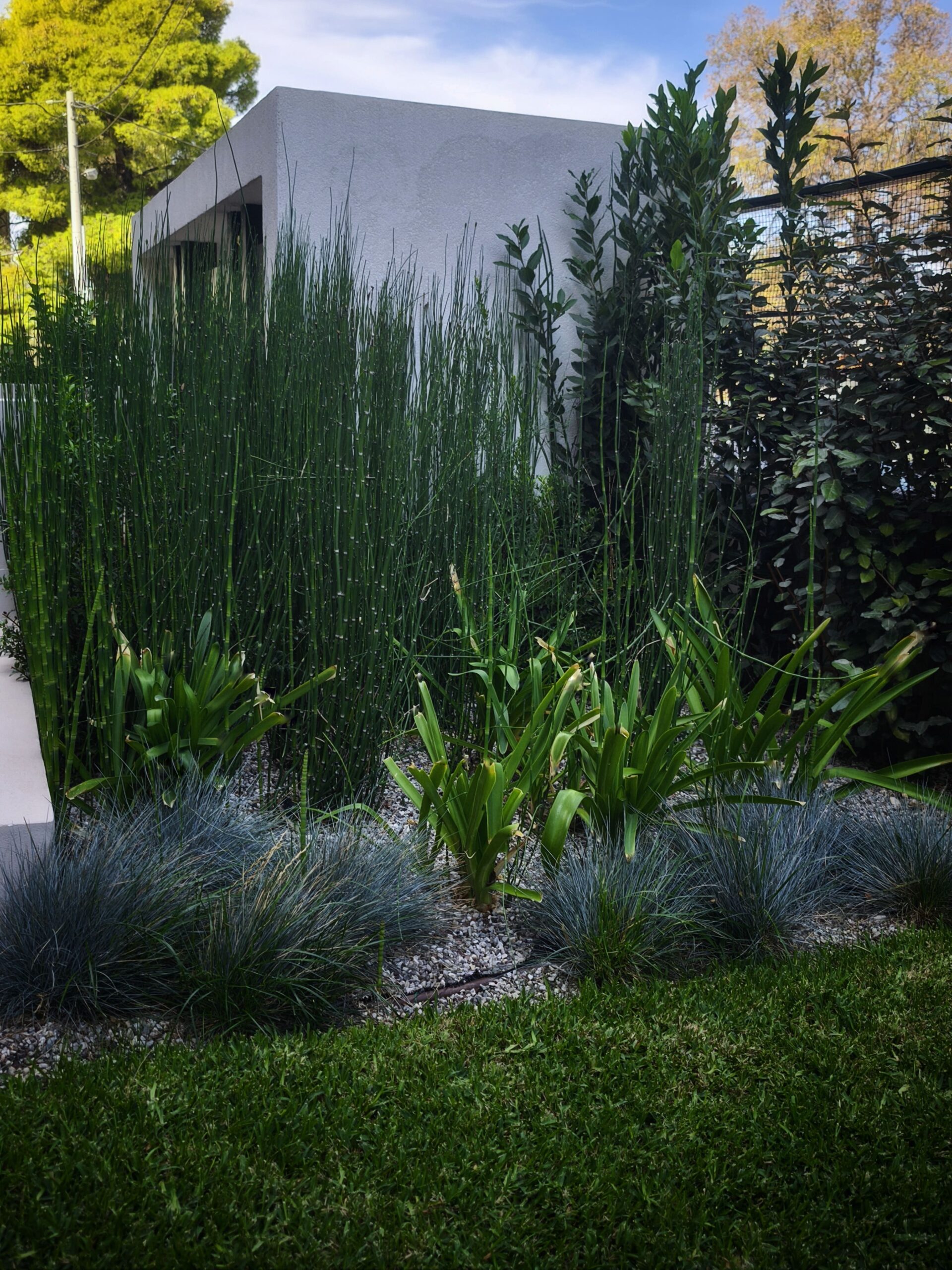
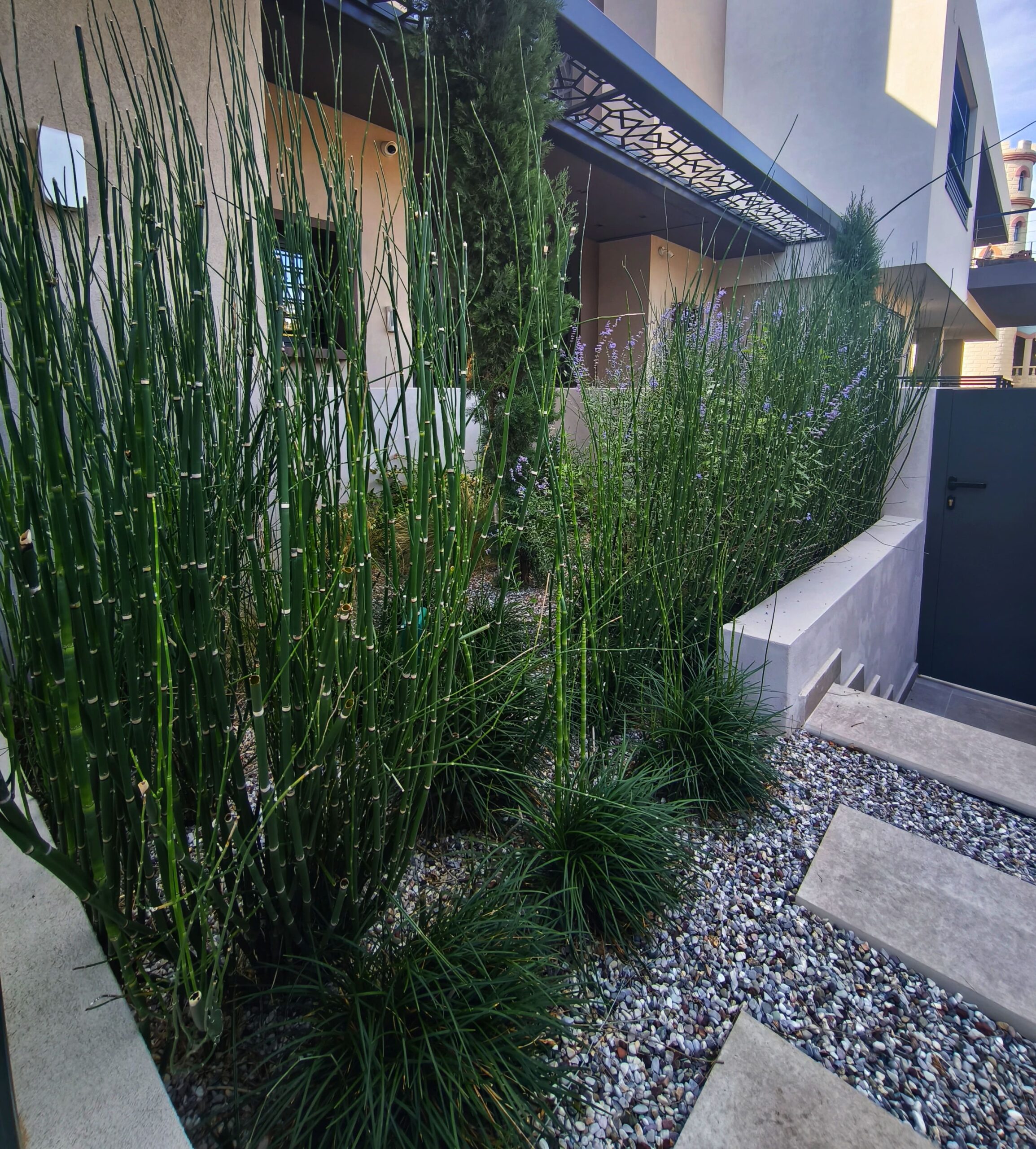
This garden was conceived out of a profound need: the creation of an urban sanctuary, a space where everyday life meets balance, and where existence regains a natural rhythm. In the heart of the city—where time moves quickly and people often lose touch with the land and its cadence—a garden was designed not as a decorative gesture, but as a place of breath, experience, and human reconnection. The primary design principle was the creation of areas dedicated to relaxation and gathering. The garden was envisioned as a stage for everyday living: a place where families come together, friends share moments, children create memories, and every visitor instantly feels at ease. The spatial arrangement is neither accidental nor ornamental; it arises from a design strategy that prioritizes functionality, movement, and human experience. Nothing exists for mere visual impact. Every element was conceived to be lived in, to host stories, and to become part of real life. Plant selection played a pivotal role in shaping the identity of this garden. Inspiration was drawn from the Mediterranean landscape—this unique mosaic of colors, scents, and textures that defines the countries of the southern Mediterranean basin. The chosen palette includes resilient, characterful species that have coexisted with the Mediterranean climate for centuries: oregano, lavender, rosemary, sage, thyme, pistacia lentiscus, oleander, and a variety of perennial shrubs and flowering plants adapted to urban conditions. These species are not chosen for ornamental excess but for their authenticity, sensory richness, and emotional familiarity. Their fragrances, their tactile foliage, and the rustling sound of their leaves in the wind transform the garden into a living, multisensory experience. The planting composition does not follow fleeting aesthetic trends. Instead, it follows ecological logic and cultural continuity. The garden’s identity is built upon plants that have survived generations of climate shifts, human narratives, and seasonal transitions. Their presence invokes memory—of landscapes traveled, of gardens once visited, of summers scented with herbs and sun-warmed leaves. This is not a garden that seeks admiration from a distance; it invites participation, observation, and immersion. The shaping of the terrain and the creation of three distinct levels became an essential design tool. This tripartite structure was not implemented for dramatic effect, but to enrich the visitor’s perception and movement across the garden. Each level offers a unique spatial function, a different visual axis, and a sense of gradual discovery. There are no abrupt changes or rigid linearities; instead, the elevations encourage fluidity and exploration, allowing perspectives to shift and unfold. A defining gesture of the design was the use of aged wooden railway sleepers in the construction of the garden’s levels. This material carries history—marked by time, passage, and industrial use. Rather than appearing pristine, the wood’s weathering, patina, and imperfections become aesthetic and emotional assets. It anchors the garden in narratives older than itself, blurring the boundaries between past and present, nature and industry, matter and memory. Visitors do not encounter a newly built garden; they encounter a space that feels as though it has always belonged there, gradually shaped by time. This material choice strengthens the garden’s natural aura and sense of authenticity. It does not aim to dominate the urban fabric but to integrate with it, to settle into the environment, and to form an organic continuity. The tactile presence of the wood, its chromatic depth, and its gradual aging process create layers of character that coexist harmoniously with the plants around it. Everything seems to grow together, as if both flora and structure acknowledged each other’s presence from the very beginning. The combination of materials, planting, and terrain gradation creates an experience that cannot be absorbed in a single visit. Each hour of the day, each season, reveals a different expression of the garden. Morning light unveils textures and hidden details, afternoon warmth deepens hues, and nightfall transforms the garden into a more atmospheric, almost theatrical stage. This variability ensures that the garden is never static—it lives, shifts, breathes, and evolves. The result is a garden with a natural aura and a distinctive character. It is not a space merely arranged; it is a living organism designed to host human moments. It is a place where urban noise dissolves, the senses awaken, and coexistence with nature regains its rightful place. It reminds us that beauty does not lie in excess, but in truth, memory, material longevity, and the authentic relationship between humans and the landscape. Through a design language rooted in climate sensitivity, emotional resonance, and functional clarity, this garden demonstrates that even within the density of the city, nature can return—not as decoration, but as experience. It becomes an extension of domestic life, a meeting ground, and ultimately, a passage back to what was always essential: the need for connection, presence, and belonging.
Condividi con :
Circa
Circa
Greenplus & Marios Grogos – Professional Profile Greenplus is a modern and forward-thinking landscape architecture and garden design studio, specializing in the creation of high-quality outdoor spaces that combine Mediterranean identity, sustainability, and contemporary aesthetics. With projects distinguished by their refined plant selections, architectural clarity, and innovative solutions, Greenplus has established itself as a creative and reliable presence in its field. At the heart of Greenplus stands Marios Grogos, founder and lead landscape designer. His professional journey is defined by a deep understanding of natural environments, artistic expression, and technical expertise. Grogos approaches landscape architecture as a means of crafting experiences—spaces that tell stories, encourage human connection, and highlight the unique character of each site. His career is marked by: award-winning projects in private and urban environments, the integration of international design principles into local landscapes, meticulous attention to detail and a signature creative identity. Today, Marios Grogos and the Greenplus team continue to push the boundaries of landscape design in Greece, delivering projects that harmonize architecture, tradition, and nature. Their work creates timeless outdoor spaces that inspire, elevate daily living, and strengthen the relationship between people and the environment.